
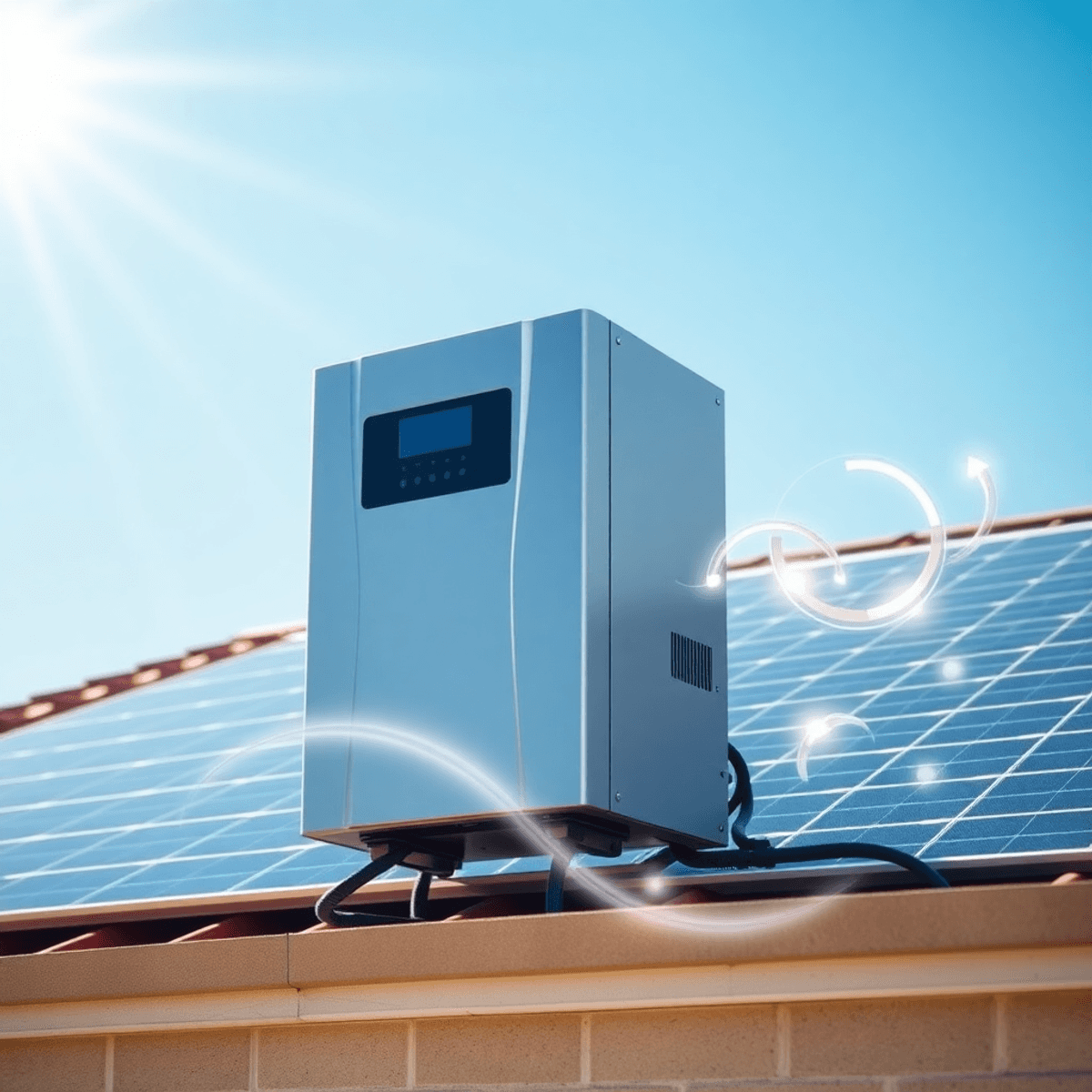
Solar panels is important in the whole solar power system.But solar inverters, also known as pv inverters , play a crucial role in the solar energy system.It is the part that quietly decides whether your solar power is actually usable in real life. Lights, fans, fridge, water pump, AC. It’s not just a machine that “converts DC to AC”. It’s also the brain for performance, safety, grid rules, and sometimes batteries too.
Hãy cùng phân tích vấn đề này mà không biến nó thành một bài giảng về kỹ thuật điện nhé.
Why a solar inverter exists ?
Mục đích cốt lõi rất đơn giản:
Solar panels can produce Điện một chiều (DC). Ngôi nhà của bạn và việc sử dụng lưới điện Điện xoay chiều (AC). A Biến tần năng lượng mặt trời chuyển đổi dòng điện một chiều (DC) thành dòng điện xoay chiều (AC) để năng lượng mặt trời của bạn có thể cung cấp điện cho các thiết bị gia dụng thông thường và kết nối với lưới điện.
Đó chính là ý nghĩa của từ “biến tần” trong hệ thống năng lượng mặt trời. Đó là thiết bị tạo ra điện từ năng lượng mặt trời:
- Có thể sử dụng được (để các tác vụ của bạn có thể thực sự chạy được)
- An toàn (để các sự cố không dẫn đến hư hỏng hay hỏa hoạn)
- Có thể điều khiển được (do đó điện áp và tần số luôn ổn định)
- Tương thích với lưới điện (vì vậy, việc xuất khẩu là hợp pháp và ổn định)
A simple real-life example that’s easy to remember:
The Solar Panels make power. The inverter makes it usable. And safe. And it squeezes more out of the panels than you’d think.
Because modern solar inverters usually do more than conversion feature, like:
- MPPT (Theo dõi điểm công suất tối đa) để thu được nhiều năng lượng hơn
- Bảo vệ các tính năng (quá áp, quá dòng, sốc điện, nhiệt độ)
- Giám sát (ứng dụng, cổng thông tin, thông báo, lịch sử sản xuất)
- Sạc pin và nguồn dự phòng (trong các hệ thống lai và hệ thống độc lập)
So yeah, DC to AC is the core of inverter. But it’s not the whole job anymore.
Inverter Techonology DC vs AC: what your solar panels produce vs what your home uses
If you’ve never thought about the difference between DC and AC, you’re not alone. Most people only need to care once they’re buying solar products.
Điện một chiều (từ các tấm pin mặt trời) là gì?
Các tấm pin quang điện mặt trời tạo ra Điện một chiều. Nó chảy theo một hướng.
Một điều cũng quan trọng nữa là: Công suất của tấm pin không phải là “cố định”.
- Sunlight changes all day, clouds, haze, dust, shade, and other thing.
- Temperature changes too, and solar panel voltage shifts with heat.
- Điện áp và dòng điện một chiều của bạn luôn thay đổi liên tục.
So the inverter is dealing with a power source that always changing.
Điện xoay chiều (AC) là gì (loại điện mà gia đình bạn và lưới điện sử dụng)?
Ngôi nhà của bạn hoạt động nhờ Điện xoay chiều, nơi hướng di chuyển thay đổi qua lại. Hệ thống này đã được tiêu chuẩn hóa, ổn định và các thiết bị gia dụng được thiết kế dựa trên tiêu chuẩn này.
- Tần số thường là 50 Hz (Ấn Độ và nhiều quốc gia khác) hoặc 60 Hz (Mỹ và một số quốc gia khác).
- Điện áp sinh hoạt cũng được tiêu chuẩn hóa (chẳng hạn như ~230V một pha ở Ấn Độ, tùy theo khu vực).
Quạt, tủ lạnh, máy giặt, bếp từ, máy bơm và đặc biệt là động cơ. Chúng đòi hỏi nguồn điện xoay chiều có tần số phù hợp và dạng sóng ổn định.
Why voltage matching matters?
Một chuỗi tấm pin mặt trời có thể tạo ra điện áp từ khoảng 250V đến 600V DC, tùy thuộc vào thiết kế. Hệ thống điện trong nhà bạn cần điện áp 230V AC (một pha) hoặc 415V AC (ba pha).
So without an inverter, you can’t just connect solar panels to your home. Even if something turns on, it’s not safe, not stable, and not how electrical systems are built.
Purpose of a Solar Inverter key point:
Nếu không có bộ biến tần, hầu hết các thiết bị điện trong gia đình không thể sử dụng trực tiếp điện từ tấm pin mặt trời.
PV Inverter Technology:How a solar inverter works?
Bạn không cần sơ đồ mạch. Tuy nhiên, việc hiểu rõ nó hoạt động như thế nào từng phút một sẽ rất hữu ích, bởi điều đó giải thích tại sao chất lượng bộ biến tần lại quan trọng.
Quy trình tổng quan trông như sau:
- Đầu vào PV DC được cấp vào từ các tấm panel
- Giai đoạn MPPT tối ưu hóa điểm làm việc của mạch để đạt công suất tối đa
- Điện được dẫn vào một Đường dây DC (mức điện áp một chiều bên trong được ổn định)
- Tốc độ cao mạch điện tử chuyển mạch (bán dẫn công suất) chia nhỏ nó ra
- Các bộ lọc làm mịn dòng điện xoay chiều (AC) thành dòng điện sạch
- Đầu ra trở nên ổn định Dòng điện xoay chiều sóng sin thuần túy (trong các bộ biến tần chất lượng tốt)
Sóng sin thuần túy so với sóng sin biến đổi (tại sao bạn nên quan tâm)
- Sóng sin thuần túy là mức gần nhất với mức điện áp mà lưới điện cung cấp. Động cơ hoạt động mát hơn, các thiết bị điện tử hoạt động bình thường, ít tiếng ù hơn và ít xảy ra các sự cố bất thường hơn.
- Sóng sin biến đổi sẽ rẻ hơn nhưng chất lượng kém hơn. Một số thiết bị vẫn có thể hoạt động, nhưng hiệu suất và độ tin cậy có thể bị ảnh hưởng. Động cơ và máy nén có thể gặp trục trặc.
Đối với một hệ thống năng lượng mặt trời gia đình vào năm 2026, sóng sin thuần túy về cơ bản là yếu tố không thể thiếu. Đặc biệt nếu bạn có tủ lạnh, máy bơm, máy biến tần điều hòa không khí hoặc bất kỳ thiết bị nào có độ nhạy cao.
Vòng điều khiển liên tục
Bộ biến tần luôn điều chỉnh. Bởi vì mặt trời luôn thay đổi.
Nó giúp duy trì đầu ra AC ổn định ngay cả khi đầu vào PV giảm do mây che phủ. Trong hệ thống nối lưới, nó cũng phải phù hợp với dạng sóng của lưới điện và đồng bộ hoàn hảo.
Đầu ra một pha và ba pha
- Một pha là điều phổ biến ở các hộ gia đình.
- Ba pha thường được sử dụng cho các ngôi nhà có diện tích lớn, máy bơm nông nghiệp, xưởng sản xuất, căn hộ và các cơ sở thương mại quy mô nhỏ.
Và việc đồng bộ hóa đầu ra với lưới điện là yếu tố rất quan trọng đối với các hệ thống nối lưới. Biến tần phải “khóa” tần số và điện áp với lưới điện, sau đó truyền điện vào lưới một cách ổn định.
MPPT: tính năng giúp cùng một tấm pin mặt trời tạo ra nhiều năng lượng có thể sử dụng hơn
MPPT là một trong những khái niệm nghe có vẻ chuyên môn, nhưng thực ra bản chất của nó lại rất đơn giản.
Các tấm pin mặt trời có một điểm tối ưu được gọi là điểm công suất tối đa. Đó là điểm mà điện áp và cường độ dòng điện kết hợp với nhau để tạo ra công suất lớn nhất. Nhưng điểm tối ưu đó liên tục thay đổi trong suốt cả ngày.
MPPT có nghĩa là bộ biến tần liên tục tìm kiếm điểm đó và điều khiển các tấm pin hoạt động tại điểm đó.
Tại sao MPPT lại quan trọng
MPPT tốt hơn thường có nghĩa là:
- Tổng lượng năng lượng hàng ngày cao hơn (nhiều kWh hơn)
- Cho năng suất cao hơn vào những buổi sáng mùa đông, những ngày trời mù sương và trong điều kiện bóng râm một phần
- Giảm thiểu “tiềm năng bị lãng phí” từ các tấm pin của bạn
Trong vòng một năm, hiệu suất của MPPT sẽ thể hiện qua số tiền tiết kiệm được trên hóa đơn của bạn.
MPPT đơn so với MPPT đa kênh
Điều này rất quan trọng đối với các mái nhà thực tế.
- MPPT đơn: Tốt nhất là tất cả các tấm pin nên hướng về cùng một hướng và có điều kiện bóng râm tương tự nhau.
- Nhiều bộ MPPT: hữu ích trong trường hợp các tấm pin được lắp đặt trên các mặt mái khác nhau (phía đông và phía tây), hoặc một số tấm pin bị che bóng trong khi những tấm khác thì không.
Mối liên hệ với quyết định mua hàng:
Nếu mái nhà của bạn có cấu trúc phức tạp, Số lượng MPPT không phải là thông số kỹ thuật trên bảng thông số kỹ thuật. Điều này có thể ảnh hưởng trực tiếp đến sản xuất.
Solar inverter for safety, protection, and grid compliance
Nếu bộ biến tần chỉ chuyển đổi dòng điện một chiều (DC) sang dòng điện xoay chiều (AC), thì hệ thống năng lượng mặt trời sẽ nguy hiểm hơn rất nhiều và gây phiền toái hơn rất nhiều.
Dưới đây là những công việc thầm lặng mà nó thực hiện.
Các biện pháp bảo vệ an toàn
Hầu hết các bộ biến tần chất lượng đều được trang bị các tính năng bảo vệ chống lại:
- Quá áp và thiếu áp
- Quá dòng
- Chập mạch
- Quá nhiệt (bảo vệ nhiệt)
- Bảo vệ chống sét (tùy thuộc vào thiết kế, vẫn cần kiểm tra xem có cần sử dụng thiết bị bảo vệ chống sét (SPD) bên ngoài hay không)
Nói chung, mục đích là để ngăn chặn những “sự cố điện nhỏ” trở thành “hư hỏng tốn kém”.
Chống hiện tượng hoạt động độc lập (hệ thống nối lưới)
Đây là một vấn đề lớn.
Nếu mạng lưới điện ở khu vực của bạn bị mất điện, bộ biến tần nối lưới phải ngừng hoạt động ngay lập tức. Hiện tượng này được gọi là chống hiện tượng đảo lưới.
Tại sao? Bởi vì nếu bộ biến tần của bạn tiếp tục cấp điện vào đường dây trong thời gian mất điện, điều này có thể gây nguy hiểm cho các công nhân điện lực, những người cho rằng đường dây đã ngắt điện.
Vì vậy, nếu bạn sử dụng hệ thống nối lưới tiêu chuẩn và xảy ra sự cố mất điện, hệ thống năng lượng mặt trời của bạn thường cũng sẽ ngừng hoạt động. Nhiều người cảm thấy ngạc nhiên về điều này, nhưng đó là chuyện bình thường và là điều bắt buộc.
Giám sát sự cố chạm đất và cách điện (phiên bản tóm tắt)
Một số bộ biến tần có chức năng giám sát dòng rò hoặc điện trở cách điện (tùy thuộc vào loại hệ thống). Nếu phát hiện có sự cố, thiết bị sẽ tự động ngắt nguồn hoặc cảnh báo cho bạn.
Không thú vị. Nhưng quan trọng.
Các tính năng hỗ trợ lưới (tùy thuộc vào khu vực)
Vào năm 2026, các quy định của các công ty điện lực sẽ trở nên nghiêm ngặt hơn. Nhiều bộ biến tần hỗ trợ các tính năng như:
- Điều khiển hệ số công suất
- Hỗ trợ điều chỉnh điện áp
- Hành vi “chạy thử” tần số
Các công ty điện lực rất quan tâm đến vấn đề này vì nếu tỷ lệ sử dụng năng lượng mặt trời quá cao mà thiết bị lại không được lắp đặt cẩn thận, điều này có thể làm mất ổn định lưới điện địa phương.
Tại sao các chứng nhận và bảo hành lại quan trọng
Biến tần năng lượng mặt trời là thiết bị phải chịu tải nặng. Nhiệt độ cao, các thao tác chuyển mạch, chu kỳ hoạt động hàng ngày.
Vì vậy, các tín hiệu về độ tin cậy thực sự rất quan trọng:
- Các chứng nhận (tuân thủ tiêu chuẩn lưới điện, tiêu chuẩn an toàn)
- Thời hạn bảo hành và những gì thực sự được bảo hành
- Mạng lưới dịch vụ tại địa phương và thời gian phản hồi
Chức năng của bộ biến tần năng lượng mặt trời trong các hệ thống năng lượng mặt trời khác nhau (kết nối lưới, độc lập, kết hợp)
Cùng một từ: bộ biến tần. Mục đích sử dụng có thể hơi khác nhau tùy thuộc vào hệ thống của bạn.
- Kết nối lưới điện: tiết kiệm, xuất khẩu, đồng bộ hóa lưới điện
- Hoạt động độc lập với lưới điện: Tạo hệ thống điều hòa không khí gia đình hoạt động ổn định mà không cần sự hỗ trợ từ lưới điện
- Hỗn hợp: tiết kiệm năng lượng kết hợp với hệ thống dự phòng pin và quản lý dòng năng lượng thông minh
Chúng ta hãy xem xét từng cái một nhé.
Hệ thống nối lưới (kết nối với lưới điện): tối đa hóa tiết kiệm và xuất điện vào lưới điện
Trong hệ thống nối lưới, chức năng chính của bộ biến tần là:
- Chuyển đổi dòng điện một chiều (DC) sang dòng điện xoay chiều (AC)
- Đồng bộ hóa với lưới điện
- Hãy ưu tiên sử dụng điện cho các thiết bị trong nhà trước, sau đó mới xuất lượng điện dư thừa lên lưới điện
Nếu hệ thống điện mặt trời của bạn đang sản xuất 3 kW và ngôi nhà của bạn đang tiêu thụ 1 kW, thì 2 kW còn lại có thể được đưa vào lưới điện (tùy thuộc vào chính sách và hệ thống đo đếm).
Hệ thống đo lường ròng (tổng quan)
Các chương trình đo lường ròng hoặc thanh toán ròng có thể khác nhau tùy theo địa phương, nhưng nguyên tắc cơ bản là bạn sẽ được ghi có cho lượng điện xuất ra lưới.
Cần phải có một bộ biến tần tuân thủ tiêu chuẩn vì việc xuất điện là vấn đề quan trọng đối với sự ổn định và an toàn của lưới điện.
Khi mất điện thì sẽ xảy ra chuyện gì?
Hầu hết các bộ biến tần nối lưới tiêu chuẩn sẽ ngừng hoạt động khi lưới điện bị ngắt. Không có tín hiệu tham chiếu từ lưới điện thì không có đầu ra. Không có nguồn dự phòng.
Nếu bạn muốn hệ thống năng lượng mặt trời vẫn hoạt động trong trường hợp mất điện, thông thường bạn cần lai (hoặc một hệ thống nối lưới được thiết kế có khả năng dự phòng và cơ chế cách ly phù hợp).
Giám sát
Các bộ biến tần nối lưới thường đi kèm với các ứng dụng hiển thị:
- Thế hệ
- Xuất khẩu
- Năng lượng hàng ngày và hàng tháng
- Lỗi và cảnh báo
Việc theo dõi không chỉ đơn thuần là để thỏa mãn sự tò mò. Nó giúp bạn phát hiện các vấn đề từ sớm.
Hệ thống năng lượng mặt trời độc lập: Cung cấp điện cho ngôi nhà của bạn mà không cần kết nối với lưới điện
“Off grid” có nghĩa là chính bạn chính là lưới điện.
Mục đích của bộ biến tần là:
- Tạo nguồn điện xoay chiều ổn định cho ngôi nhà của bạn (mạng lưới điện mini của riêng bạn)
- Quản lý hệ thống năng lượng mặt trời và sạc pin (tùy thuộc vào kiến trúc)
- Xử lý các đợt tăng đột biến tải từ động cơ và máy nén
Trong các hệ thống điện độc lập, pin thường là yếu tố không thể thiếu vì nguồn năng lượng mặt trời không ổn định và bạn cần điện vào ban đêm.
Quy trình sạc pin (hiển thị đơn giản)
Thông thường:
Các tấm pin mặt trời tạo ra dòng điện một chiều (DC) → pin được sạc (thông qua bộ điều khiển sạc hoặc giai đoạn sạc của bộ biến tần) → bộ biến tần cung cấp điện xoay chiều (AC) cho các thiết bị tiêu thụ từ pin hoặc nguồn năng lượng mặt trời tùy theo nhu cầu.
Pin chính là nguồn dự trữ. Nếu không có chúng, cuộc sống không nối lưới về cơ bản chỉ là “chỉ có điện khi mặt trời chiếu sáng lý tưởng”.
Ví dụ về tính toán công suất cho hệ thống điện độc lập: Hệ thống điện độc lập 10 kW
Khi ai đó nhắc đến “hệ thống điện mặt trời độc lập công suất 10 kW”, bộ biến tần đóng vai trò là “cổng kiểm soát” cho:
- Bạn có thể chạy tải với công suất tối đa bao nhiêu (công suất định mức tính bằng kW)
- Bạn có thể khởi động khi mang tải nặng hay không (khả năng chịu tải đột biến)
- Liệu điện áp có duy trì ổn định khi máy bơm khởi động hay không
Các tấm pin mặt trời là nguồn năng lượng. Biến tần là thiết bị cung cấp điện.
Hệ thống biến tần lai: tiết kiệm + dự phòng bằng pin + luồng năng lượng thông minh
Hệ thống điện lai là điều mà nhiều chủ nhà mong muốn vào năm 2026, bởi vì tình trạng mất điện vẫn còn xảy ra và mọi người muốn có sự linh hoạt.
Mục đích chính của bộ biến tần lai:
- Chuyển đổi điện một chiều (PV DC) sang điện xoay chiều (AC) để cấp nguồn cho các tải
- Sạc pin
- Xuất sang lưới
- Cung cấp nguồn dự phòng khi lưới điện bị sự cố
- Quản lý tất cả một cách thông minh
Bạn sẽ nghe thấy cụm từ “biến tần hai chiều”. Nói một cách đơn giản, thiết bị này có thể truyền năng lượng theo nhiều hướng khác nhau:
- PV → Trang chủ
- PV → Pin
- Battery → Home
- Grid → Home (normal)
- Sometimes Grid → Battery (if supported and allowed)
Use cases include:
- Time of use savings (charge when cheap, use when expensive)
- Max self consumption (use your own solar instead of exporting)
- Outage backup
- Partial home backup circuits (essential loads only)
Battery compatibility is a big deal here. Especially with lithium batteries like lithium ion battery and LiFePO4. Communication between the inverter and battery BMS helps with safe charging and accurate state of charge.
Types of solar inverters (and what each is best for)
“Inverter” is not one product category. The type affects cost, shading performance, monitoring, and maintenance.
String inverters: the common, cost-effective option
How it works:
Panels are connected in series into a string (or multiple strings) feeding one inverter. MPPT is usually at the string level.
String inverter Pros:
- Lower cost per watt
- Typically easier to service (inverter is on the wall, not on the roof)
String inverter Cons:
- Shading or mismatch on one panel can reduce output for the whole string (design dependent)
- Roof complexity can reduce performance unless you have multiple MPPTs or optimizers
Solar Inverter Best fit:
Simple roofs, consistent sun, typical residential installs.
Microinverter: panel-level conversion and monitoring
How it works:
Each panel has its own inverter. The roof outputs AC.
Microinverter Pros:
- Great for shading and complex roofs
- Panel level monitoring
- Easier expansion later (add a couple panels without redesigning strings)
Microinverter Cons:
- Higher upfront cost in many markets
- Electronics are on the roof (but warranties are often long, so it’s mitigated)
Worth it when:
Multiple roof orientations, partial shading, or you really want module level visibility and performance.
Hybrid inverter: one box for solar + solar battery + grid interaction
Hybrid inverters combine roles. Often replacing a separate solar inverter plus battery inverter plus sometimes charge controller.
Hybrid inverters Pros:
- Cleaner system design
- Smart energy management
- Backup ready if configured correctly
Hybrid inverters Cons:
- Higher cost
- Battery ecosystem constraints (some prefer certain batteries)
- Must be sized correctly for backup loads
Central Inverter:
Central inverters traditionally used in commercial or very large residential systems, the central inverters handle all panels as one unit. They offer lower cost per watt but less flexibility and monitoring compared to microinverters or optimizers on complex roofs.
Central Inverter pros:
- Lower cost per watt, especially at larger scales
- Simpler maintenance with fewer electronic components on the roof
- Well-suited for unobstructed, uniform roof surfaces
Central Inverter Cons:
- Limited panel-level monitoring and visibility
- Challenging expansion or reconfiguration
Power inverter vs solar inverter: what’s the difference?
This confuses buyers a lot.
- A power inverter usually means DC from a battery to AC output. Common in UPS units, cars, solar generators, small backup setups.
- A biến tần năng lượng mặt trời is designed for PV input behavior and usually includes MPPT and grid compliance features (for on grid models).
A “solar generator” (portable power station) is basically battery + inverter + ports. Very useful for portable loads. But it’s not the same thing as a home solar PV inverter tied to your roof array and grid rules.
This distinction matters because you’ll see cheap “inverters” online that are not designed for solar PV strings at all.
Sizing: matching inverter capacity to your solar system and loads
Sizing is where people accidentally waste money or end up with a system that feels weak.
kW rating (power) and panel capacity
Inverter size is usually given in kW (or kVA in some markets). It indicates how much power it can deliver at a moment.
Your panel array also has a kW rating (like 5 kW solar). But panels don’t produce peak all day.
There’s also a common design idea called DC to AC ratio. Many systems oversize panels slightly compared to the inverter to increase annual energy yield.
Load surge matters (especially off-grid and hybrid)
Motors and compressors draw extra power at startup.
Things like:
- Borewell pumps
- Refrigerators
- Air conditioners
- Pressure pumps
So in off grid and backup systems, look beyond the continuous rating and check surge rating.
Example: 2 kVA solar inverter (what can it run?)
A 2 kVA inverter is common for small homes or shops. What it can run depends on power factor and surge capability, but practically, think in terms of:
- Lights, fans, TV, router, maybe a small fridge
- Not a heavy pump and an AC together, usually
The right way is to list your loads and their wattage, then consider what needs to run simultaneously.
Undersized vs oversized
- Undersized inverter can clip production (you waste potential at peak sun).
- Oversized inverter may cost more without real benefit, and it may run at partial load often.
The sweet spot is design dependent. A good installer or designer will balance array size, local sunlight, and your goals.
Batteries and storage: what the inverter controls (and what it doesn’t)
Battery storage has two key specs and people mix them up:
- Capacity (kWh): how long it can run loads
- Power (kW): how much it can run at once
You need both. A big kWh battery with low kW output can’t start heavy loads. A high kW battery with low kWh won’t last long.
Battery types (high level)
Lead-acid batteries are traditional and cost-effective but heavy and require maintenance. Lithium-ion batteries are lighter, last longer, and allow deeper discharge, making them ideal for most modern off-grid and backup solar systems.
Lead acid:
Cheaper upfront, heavier, more maintenance, lower usable depth of discharge, shorter cycle life.
Lithium ion Battery:
Higher efficiency, higher usable capacity, longer life, higher upfront cost.
LiFePO4 Battery:
A popular lithium chemistry for home storage due to stability and long cycle life.
Charge controller vs hybrid inverter charging
Some systems use a separate solar charge controller (like MPPT charge controller) especially in certain off grid designs.
Many hybrid inverters have built in charging, so you don’t need a separate controller. But it depends on the architecture.
Lithium inverter battery and compatibility
Battery BMS and inverter need to be compatible for safe charging limits, proper cutoffs, and accurate reporting. Otherwise the system works, but not nicely. Sometimes not safely.
Efficiency: where energy is lost and how to keep it high
Inverter efficiency affects yearly kWh and savings. Even a few percent matters over years.
There are two “efficiencies” to care about:
- Conversion efficiency: how much DC becomes AC (losses become heat)
- MPPT efficiency: how well it harvests max power from the panels
Real world factors that reduce efficiency:
- Heat (hot locations, direct sun exposure on inverter)
- Poor ventilation
- Running at very low load often
- Cable losses and poor connectors
- Bad string design (mismatch, unbalanced strings)
- Chronic clipping (sometimes okay if planned, but know it’s happening)
Practical tips:
- Install inverter in a shaded, ventilated place
- Keep DC string design clean and balanced
- Don’t ignore cable quality and protection gear
- Accept small clipping only if the system was designed for that tradeoff
Choosing the right solar inverter (a quick decision framework)
Start with your goal. Not with brand names.
- Want the lowest electricity bill? On grid.
- Want backup power for outages? Hybrid.
- Want full independence? Off grid.
Then use this checklist:
- Inverter type: string, microinverter, hybrid
- kW (or kVA) rating and surge rating (especially for backup/off grid)
- MPPT count (important for multiple roof faces and shading)
- Battery compatibility (if hybrid, or if you plan to add later)
- Pure sine wave output
- Monitoring quality (app, portal, local display, alerts)
- Reliability signals: warranty, service network, certifications
- Operating temperature range (hot climates matter)
- Future proofing: battery later, panel expansion, EV charging readiness (if relevant to you)
In 2026, a lot of people regret buying the cheapest inverter because they end up wanting batteries later. If you think there’s even a 30 percent chance you’ll want backup in the next couple years, consider a hybrid ready path now.
Cost context (India focus): what drives solar inverter cost in India 2026
If you’re searching “solar inverter cost in India 2025” and trying to predict 2026 pricing, exact numbers are messy because brands, subsidies, and stock cycles change. But the pricing drivers are pretty consistent.
What mainly drives inverter cost:
- Capacity (kW or kVA)
- On grid vs hybrid vs off grid (hybrid costs more)
- MPPT count and input ranges
- Brand reputation and service network
- Warranty length and replacement policy
- Battery support and BMS compatibility (for hybrid)
- Output waveform quality and surge performance
- Certifications and grid compliance features
Also important. The inverter is only one part of your PV system cost.
Total system includes mounting, cables, DC and AC protection, earthing, SPD, meters, and batteries (if any). Cutting corners there can wreck performance and safety even if you bought a good inverter.
How to compare quotes properly
Two inverters with the same kW rating are not automatically equal.
When comparing quotes, ask for:
- MPPT count
- Max DC input and voltage window
- Surge rating (for hybrid/off grid)
- Battery support list (if hybrid)
- Warranty and onsite service details
- Monitoring features
- Certifications
That’s how you compare like for like.
Wrap-up: the real purpose of a solar inverter in 2026
The tight summary:
A solar inverter converts your panels’ DC into usable AC, and it also manages performance (MPPT), safety protections, grid compliance, and sometimes battery backup.
And the purpose shifts slightly depending on your setup:
- Kết nối lưới điện: synchronize and export, maximize savings
- Hoạt động độc lập với lưới điện: create stable home AC and run your own mini grid
- Hỗn hợp: manage bidirectional storage, backup power, and smart energy flow
Practical next step if you’re planning solar:
List your essential loads, decide how much backup you actually want during outages, then pick the inverter type and size around that. Everything gets easier once that part is clear.
FAQs (Frequently Asked Questions)
What is the primary function of a solar inverter in a solar power system?
The primary function of a solar inverter is to convert the direct current (DC) electricity produced by solar panels into alternating current (AC) electricity, which is usable by household appliances and compatible with the power grid.
Why can’t solar panels be connected directly to home appliances without an inverter?
Solar panels produce DC electricity at voltages that vary throughout the day, while home appliances require stable AC electricity at standardized voltages and frequencies. Without an inverter to convert and regulate this power, connecting panels directly would be unsafe, unstable, and incompatible with household loads.
What additional roles does a modern solar inverter perform besides DC to AC conversion?
Modern solar inverters also handle Maximum Power Point Tracking (MPPT) to maximize energy harvest, provide protection features against over voltage, over current, surges, and temperature issues, enable monitoring through apps and alerts, ensure safety and grid compatibility, and sometimes manage battery charging and backup in hybrid systems.
What is the difference between pure sine wave and modified sine wave output from a solar inverter?
Pure sine wave output closely matches the smooth waveform of the grid supply, ensuring motors run cooler, electronics operate properly, and reducing noise or failures. Modified sine wave output is less smooth and cheaper but can cause inefficiency and potential damage to sensitive appliances like fridges or pumps. For home solar systems, pure sine wave inverters are highly recommended.
How does Maximum Power Point Tracking (MPPT) improve solar panel efficiency?
MPPT continuously finds the optimal voltage and current point where the solar panels produce maximum power despite changes in sunlight intensity or temperature. This dynamic tracking allows the inverter to extract more usable energy from the same panels throughout the day.
What types of AC output do solar inverters provide for different applications?
Solar inverters can provide single-phase AC output commonly used in homes or three-phase AC output for larger homes, farm pumps, workshops, apartments, or small commercial setups. In grid-tied systems, the inverter synchronizes its output frequency and voltage precisely with the grid to ensure safe and stable power export.
