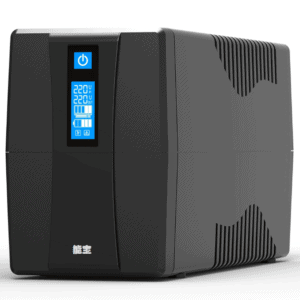
Bagaimana cara memilih antara power inverter, solar inverter, electric inverter, dan UPS?
All four convert DC to AC, but the power source and backup function differ. A solar inverter is built for variable solar panel input. A UPS adds a battery for instant backup during outages. A standard power inverter just converts DC to AC without battery switchover.
Apakah stabilisator tegangan benar-benar dapat mengurangi tagihan listrik dengan membantu AC Anda bekerja secara efisien?
Slightly. Stabilizers hold voltage steady so your AC compressor doesn’t draw extra current compensating for dips. The main benefit is protecting equipment lifespan, not major bill savings.
Berapa lama UPS 1000 watt dapat menyalakan sebuah PC?
A typical desktop with monitor draws around 300W. With a standard 1000VA UPS battery, expect roughly 10-20 minutes of runtime — check your battery’s Ah rating for an exact figure
Apa yang dimaksud dengan konversi ganda dalam sistem catu daya tanpa gangguan (UPS)?
It converts AC input to DC, then back to AC, before powering your equipment. This filters out voltage noise and gives zero switchover time during a power failure.
Bagaimana cara memilih sistem tenaga surya yang tepat untuk rumah Anda di India?
Calculate your daily kWh usage first. That number sets your required panel wattage, inverter capacity, and battery size for backup hours.
Bagaimana catu daya tanpa gangguan (UPS) digunakan di sektor energi terbarukan?
They store excess solar or wind power and release it when generation drops, keeping critical loads running without relying fully on the grid.
Apakah catu daya UPS mengonsumsi banyak listrik?
Not much. Standby draw is low, though dual-conversion models use more than line-interactive ones due to constant conversion — still minor next to what it protects.
Faktor-faktor apa saja yang perlu dipertimbangkan saat memilih UPS untuk sistem komputer?